The Comprehensive Guide to Professional Oral Hygiene


Maintaining good oral hygiene is essential for overall health and well-being. It goes beyond just brushing and flossing at home; professional oral hygiene plays a crucial role in preventing dental issues and promoting a healthy smile. Regular visits to a dental care provider and professional cleanings can help eliminate plaque and tartar buildup, which can lead to cavities and gum disease if left unchecked.
In this comprehensive guide, we will explore the various aspects of professional oral hygiene, including the benefits of regular dental check-ups, the importance of preventive care, and tips for choosing the right dental care provider for your needs. By understanding the significance of professional oral hygiene, you can take informed steps towards maintaining a bright and healthy smile for years to come.
Importance of Regular Dental Check-Ups
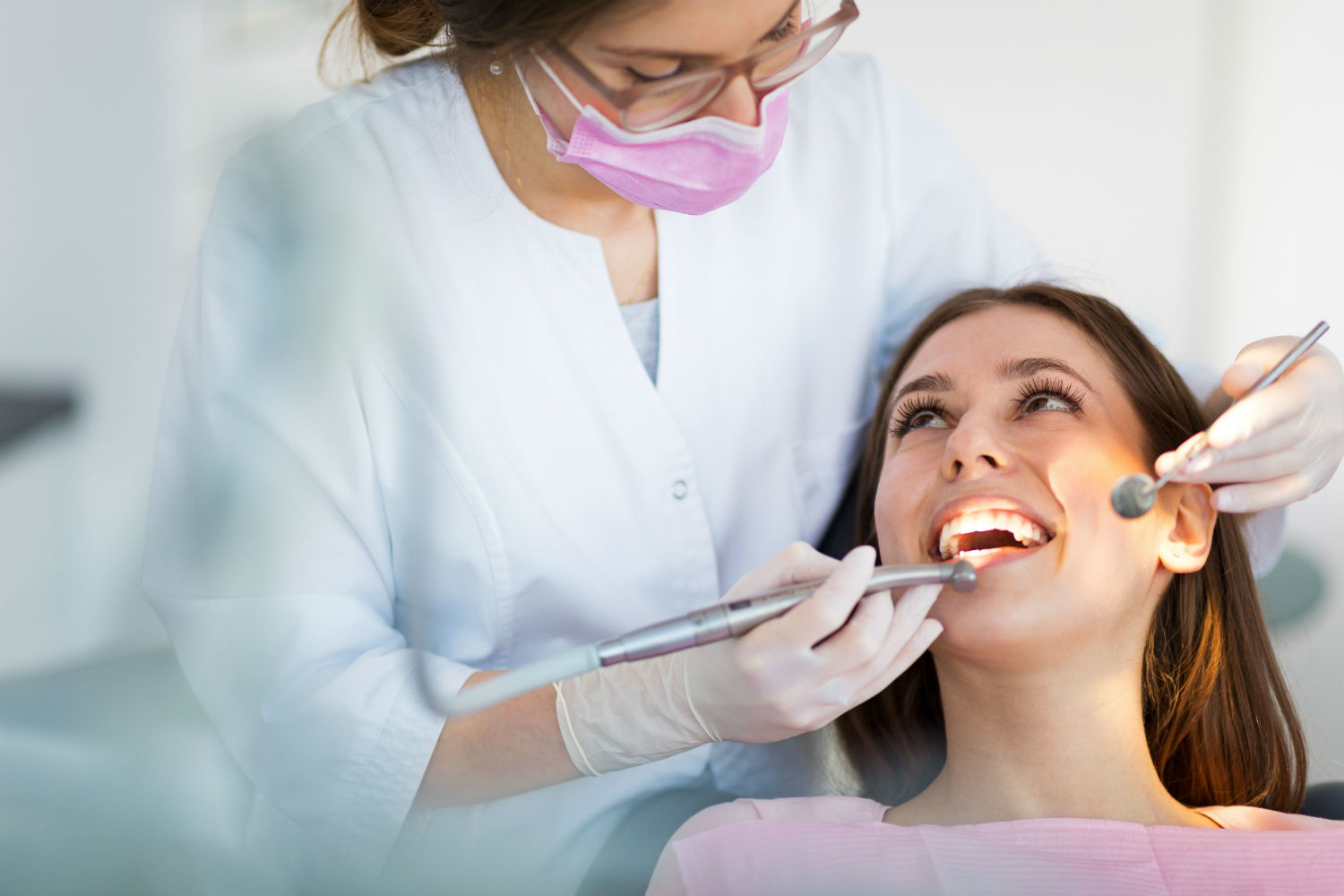
Regular dental check-ups are crucial for maintaining optimal oral health. During these visits, dental professionals can identify early signs of tooth decay, gum disease, and other oral health issues that may go unnoticed. Early detection allows for timely interventions, which can prevent more severe problems and costly treatments in the future. Establishing a routine schedule for check-ups helps patients stay informed about their oral health status.
Another significant benefit of regular check-ups is the professional cleaning that accompanies most visits. While daily brushing and flossing are essential for good dental care , they may not eliminate all plaque and tartar buildup. Professional cleanings help remove stubborn deposits, reducing the risk of cavities and gum disease. This proactive approach not only enhances one’s smile but also contributes to overall systemic health, as oral health is closely linked to conditions such as heart disease and diabetes.
Lastly, regular dental visits offer an excellent opportunity to discuss personalized oral hygiene practices with a dental professional. Patients can receive tailored advice on the best products and techniques suited to their specific needs. Whether it’s optimizing brushing habits or understanding dietary impacts on dental health, these consultations empower individuals to take charge of their oral hygiene effectively, ensuring a brighter and healthier smile for years to come.
Daily Oral Hygiene Practices
Maintaining good oral hygiene on a daily basis is essential for overall dental care. First and foremost, brushing teeth twice a day with fluoride toothpaste is vital. This practice helps remove plaque, prevents cavities, and keeps gums healthy. It is important to brush for at least two minutes, ensuring that all surfaces of the teeth are cleaned, including the front, back, and chewing surfaces. Using a soft-bristled brush can help avoid damaging the gums while effectively cleaning the teeth.
In addition to brushing, daily flossing is crucial in achieving optimal oral hygiene. Flossing removes food particles and plaque from between the teeth, areas where a toothbrush may not reach. Incorporating flossing into a morning or evening routine can significantly improve gum health and reduce the risk of gum disease. For those who find traditional floss challenging, alternatives such as dental picks, water flossers, or pre-threaded flossers can be effective substitutes.
Finally, rinsing with an antimicrobial mouthwash can enhance daily oral hygiene efforts. Mouthwash helps to kill bacteria, reduce plaque buildup, and freshen breath. Choosing a product that is alcohol-free can prevent drying out the mouth, which is important for maintaining saliva levels that help protect against decay. By following these daily oral hygiene practices, individuals can ensure their teeth and gums remain healthy, contributing positively to their overall dental care routine.
Choosing the Right Dental Products
Selecting the appropriate dental products is crucial for maintaining optimal oral hygiene. When choosing toothpaste, look for one that contains fluoride, as it helps to strengthen tooth enamel and prevent cavities. Many brands also offer specialized formulas for particular needs, such as sensitivity, whitening, or tartar control. Reviewing the ingredients and benefits can guide you in making an informed choice that best suits your oral health requirements.
Toothbrushes also play a vital role in oral hygiene. Opt for a soft-bristled brush, which is gentle on the gums while effectively removing plaque. Electric toothbrushes can provide additional benefits, such as built-in timers and pressure sensors, helping you achieve a more thorough clean. Whether you choose manual or electric, ensure that the toothbrush head is small enough to reach all areas of your mouth comfortably.
Lastly, consider additional dental care products, such as mouthwash and floss. Mouthwash can help reduce plaque and gingivitis while freshening breath, and using a product that has antimicrobial properties can enhance your oral hygiene routine. Flossing is essential for cleaning the areas between teeth where brushes cannot reach. Incorporating quality floss into your daily routine will help prevent gum disease and cavities, making it a valuable addition to your dental care arsenal.